
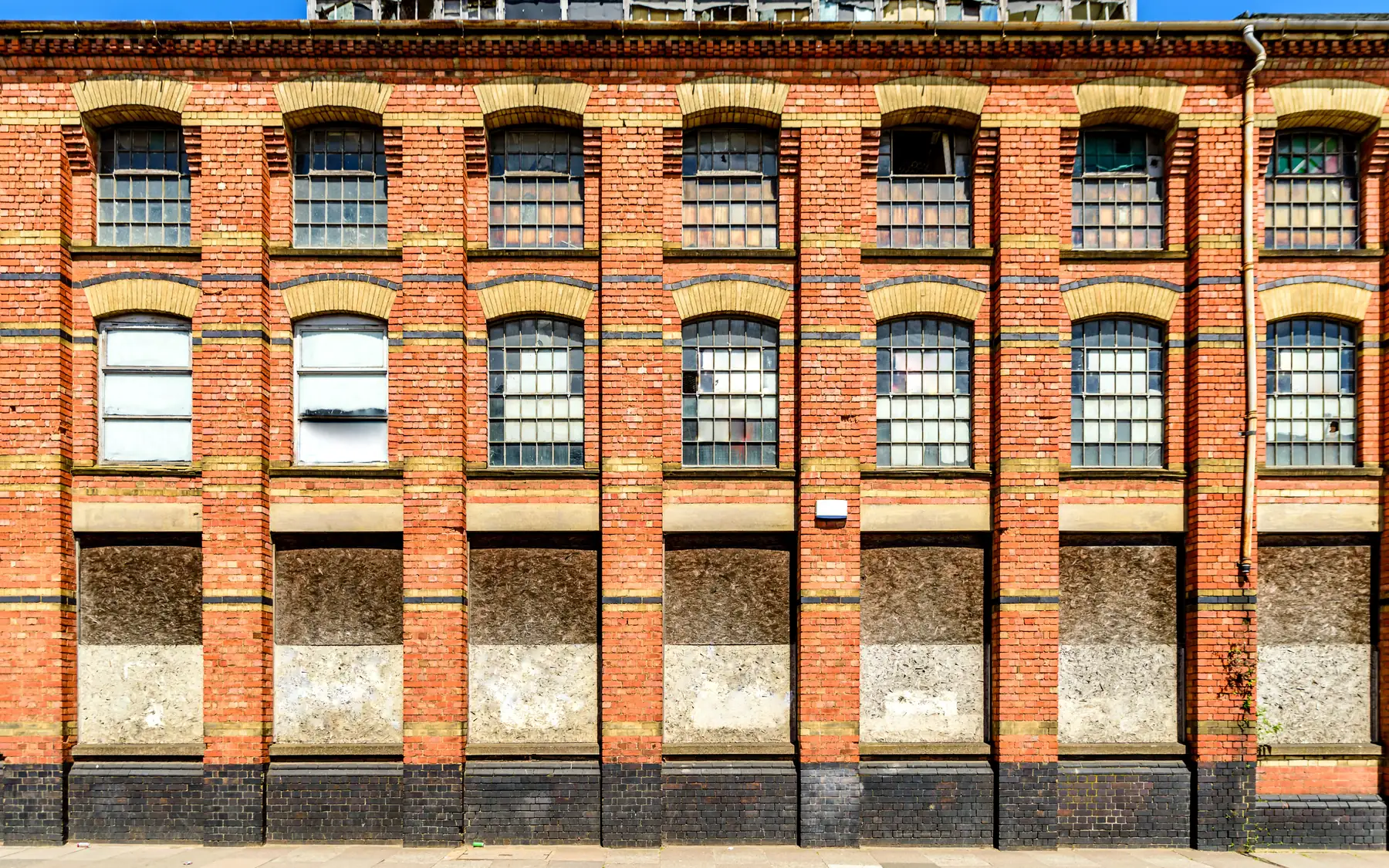
Industrial and commercial construction
Industrial Refurbishment
Industrial refurbishment adapts an existing building to changes in production, new equipment or major repairs. The work covers the structure, envelope and services, often while the site keeps operating.
Adapting an existing industrial building
An industrial refurbishment usually keeps the main frame while renewing the envelope, the internal layout and the services. The condition of the existing building sets the limits, so a structural and condition survey comes early. Equipment loads, access and working conditions then decide what can stay and what has to change.
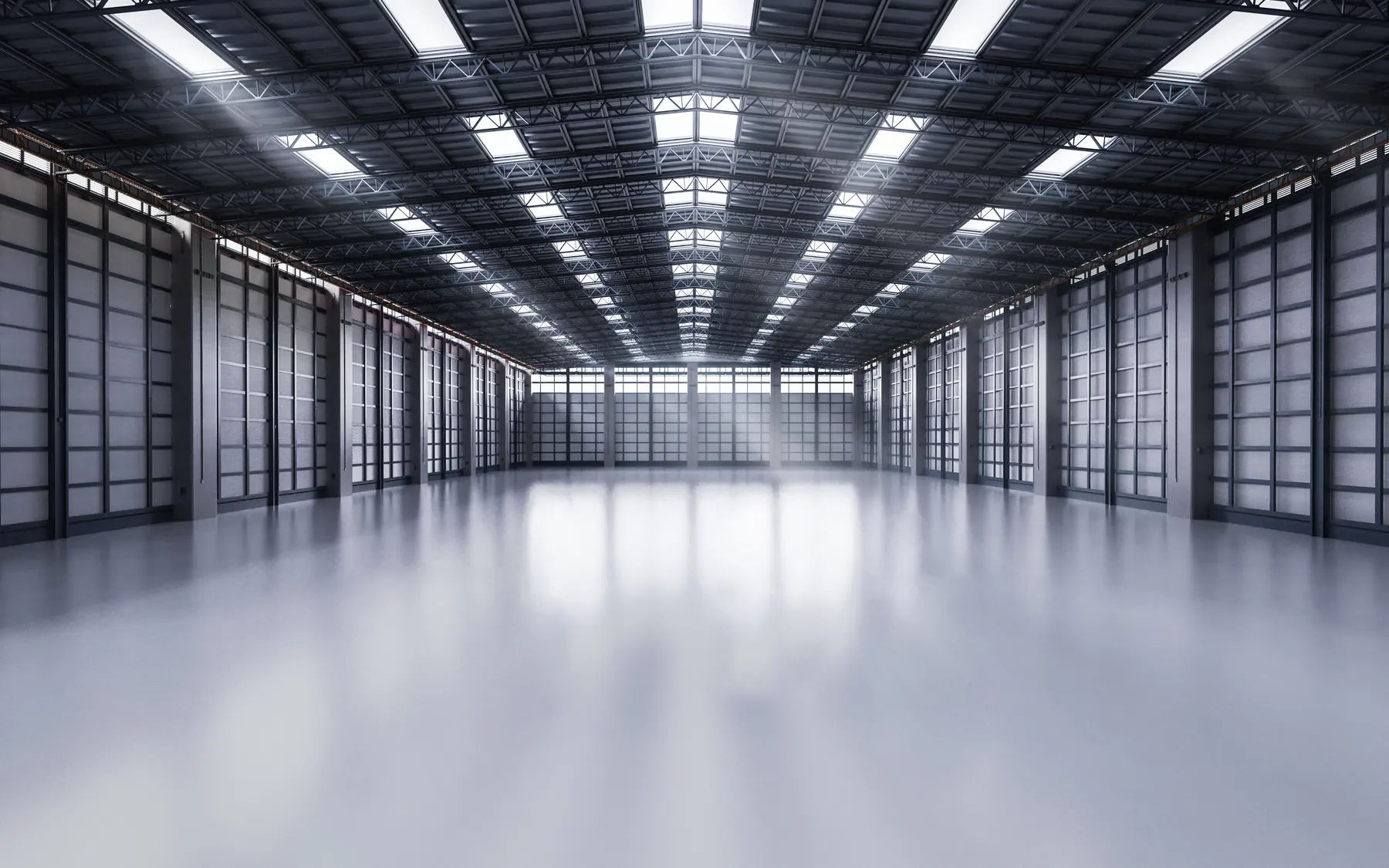
Roofing, cladding and internal alterations
Roof repairs, complete recladding and internal production alterations involve different construction methods and risks. Older industrial buildings may contain asbestos in roofing, cladding, insulation or other materials. Where work could disturb asbestos-containing materials, suitable survey information is needed before the affected work begins, including a refurbishment or demolition survey where required.
Building work around production equipment
Equipment suppliers may need new foundations, openings, ventilation, power or drainage. Their information has to reach the building design before those elements are fixed. Each machine is either staying in place, moving or being replaced, and specialist installation arranged separately has to be fitted around the building work.
Refurbishment while the site is operating
If production continues during refurbishment, the work is split into zones with their own access and planned shutdowns. Temporary storage or services may be needed while an area is out of use. The date each zone must return to production sets the sequence and the standard it is handed back in.
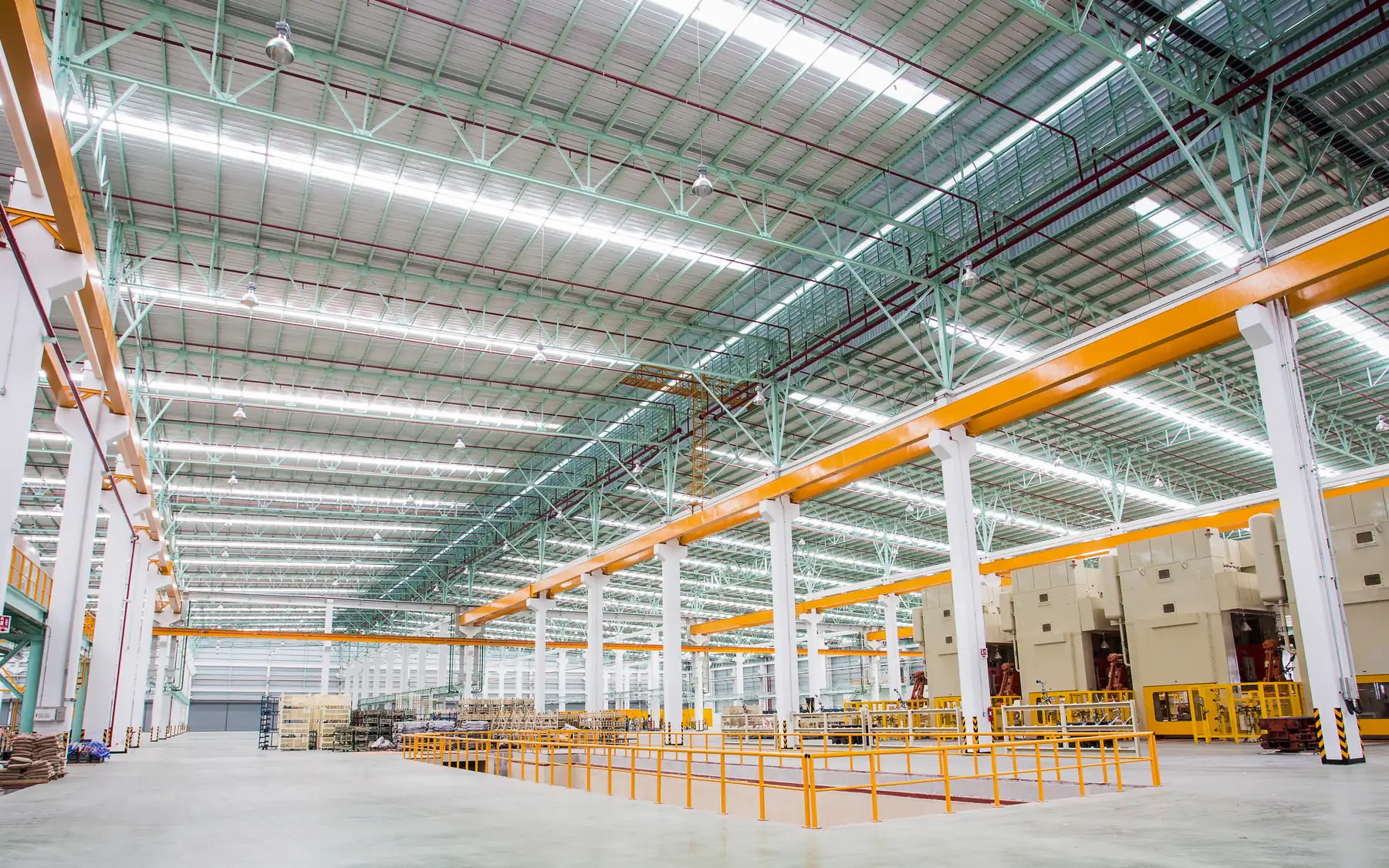
Main elements of an industrial refurbishment
| Item | What it covers |
|---|---|
| Existing asset | Structure, roof, walls, floors and services |
| Changes | Repairs, replacements and operational alterations |
| Equipment | Retained, relocated and new installations |
| Sequence | Work zones, shutdowns and return to operation |
Related industrial building services
Plan your project
Commercial Project Planner
Indicative commercial building costs
Common questions
Frequently asked questions
Can refurbishment include recladding and internal work?
Yes. Roof and cladding work can be carried out alongside internal alterations, although the order depends on the building and the activities continuing inside it. Temporary weather protection may be necessary while the envelope is open, particularly where machinery or stock must remain dry.
What should we know before refurbishing an older industrial building?
The condition of the structure, roof, floor slab and existing services can determine whether refurbishment is economical. Older buildings may also contain asbestos, which requires suitable information before materials are disturbed. Structural surveys, condition inspections and asbestos investigations serve different purposes and may all be needed depending on the intended work.
Request a quote
Complete the form and we will get back to you.