
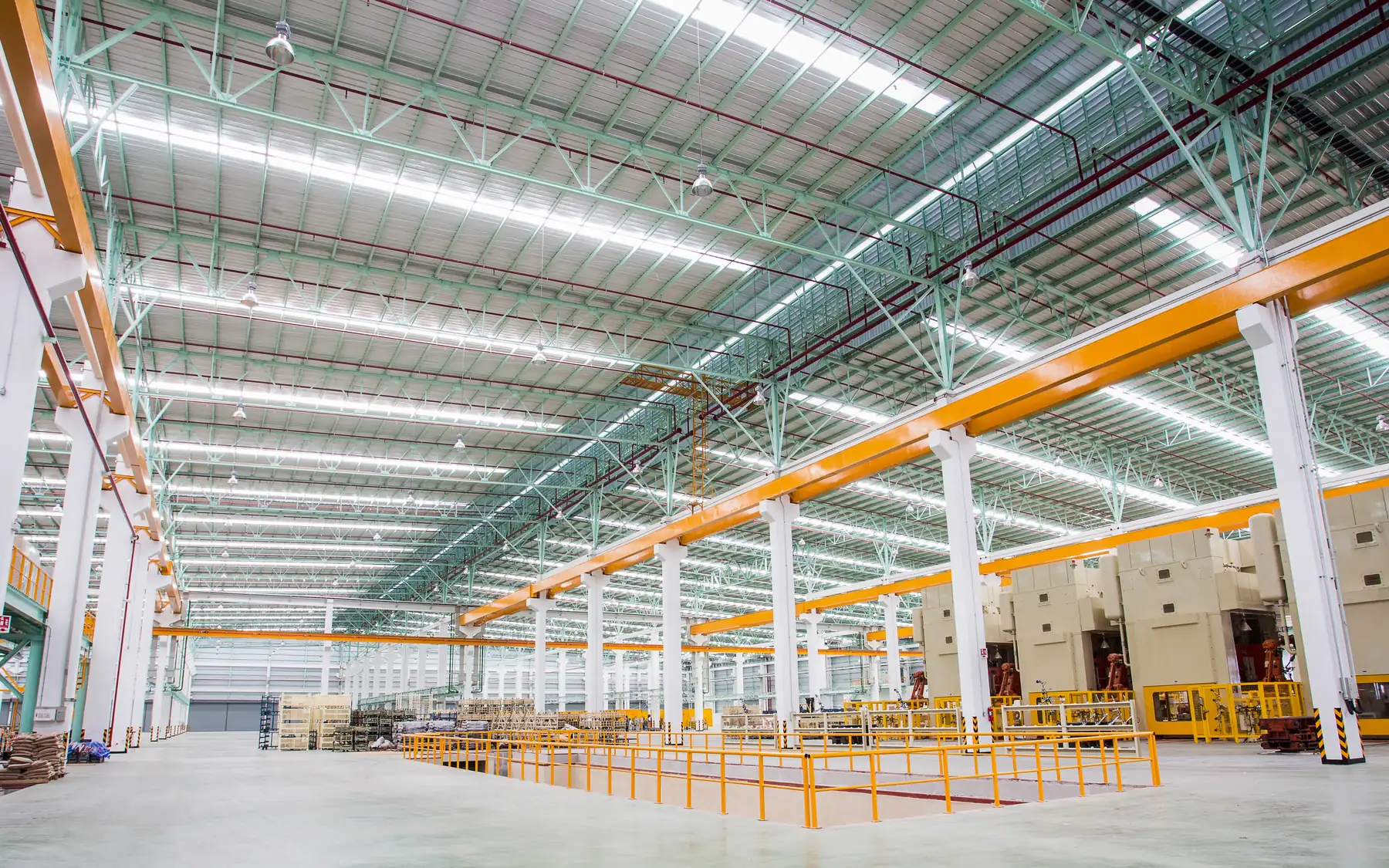
Industrial and commercial construction
Construction on Occupied Sites
Construction on an occupied site has to account for the people and activities already there. Access, noise, dust, temporary services and the order in which areas are closed can determine how much of the business remains operational during the work.
How the site operates day to day
Every occupied site has its own pattern of staff, customers, vehicles and goods. Some activities cannot stop at all, some areas are restricted, and some parts of the site can only be released at certain times of year. The building work has to fit that pattern rather than the other way round.
Temporary access, services and storage
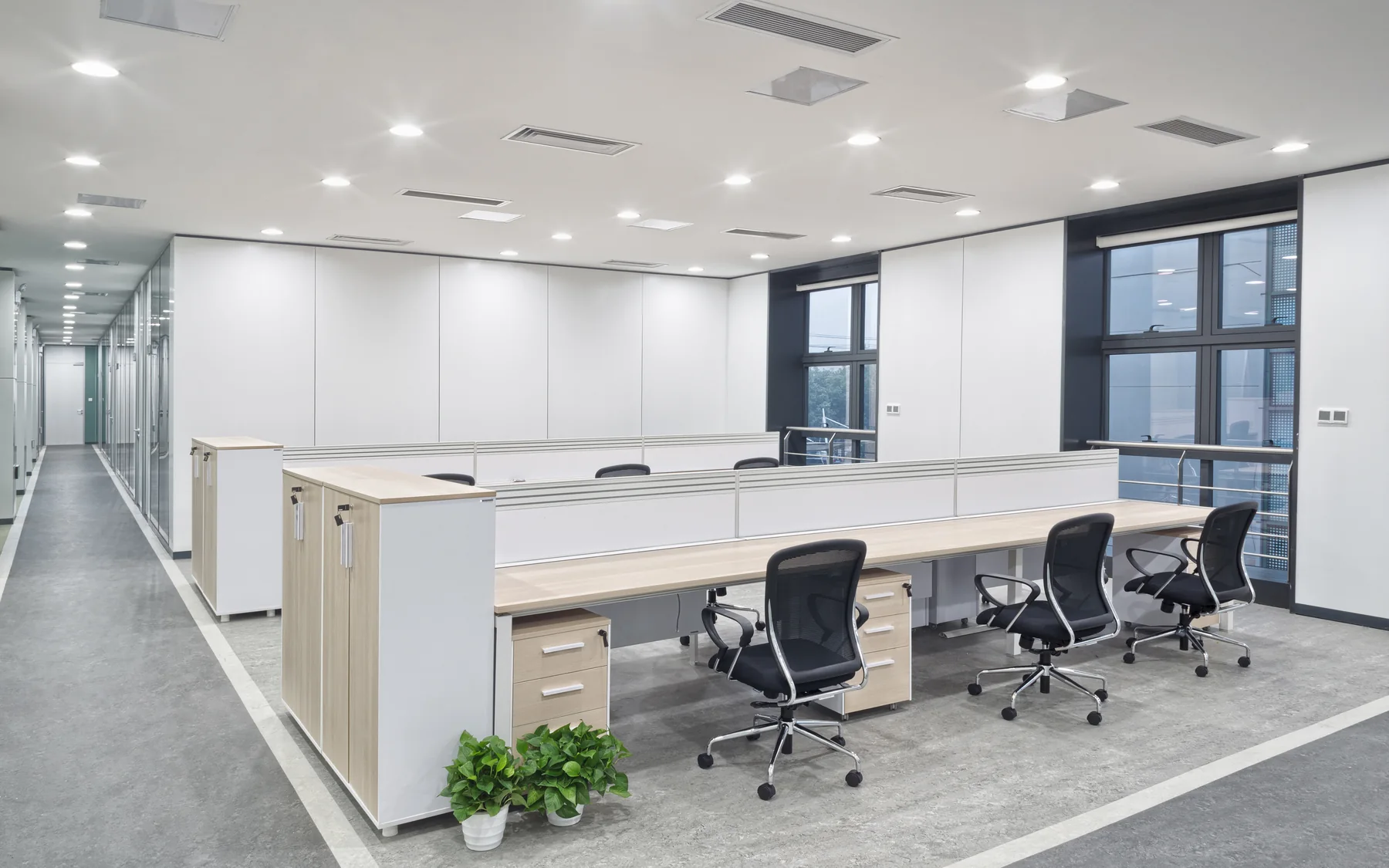
Building work in occupied premises usually needs temporary access, welfare, storage or services while it is under way. These are real costs with clear responsibilities, and they affect the timetable even though none of them remains in the finished building. We price and plan them as items in their own right.
Service connections and operational changeovers
Extensions and refurbishments can involve connections to live electrical, water, drainage or mechanical systems, as well as openings through existing walls. Some work can be isolated locally; other connections require an agreed shutdown. Equipment moves and stock transfers need to be coordinated with these activities to avoid unnecessary disruption.
Returning completed areas to the business
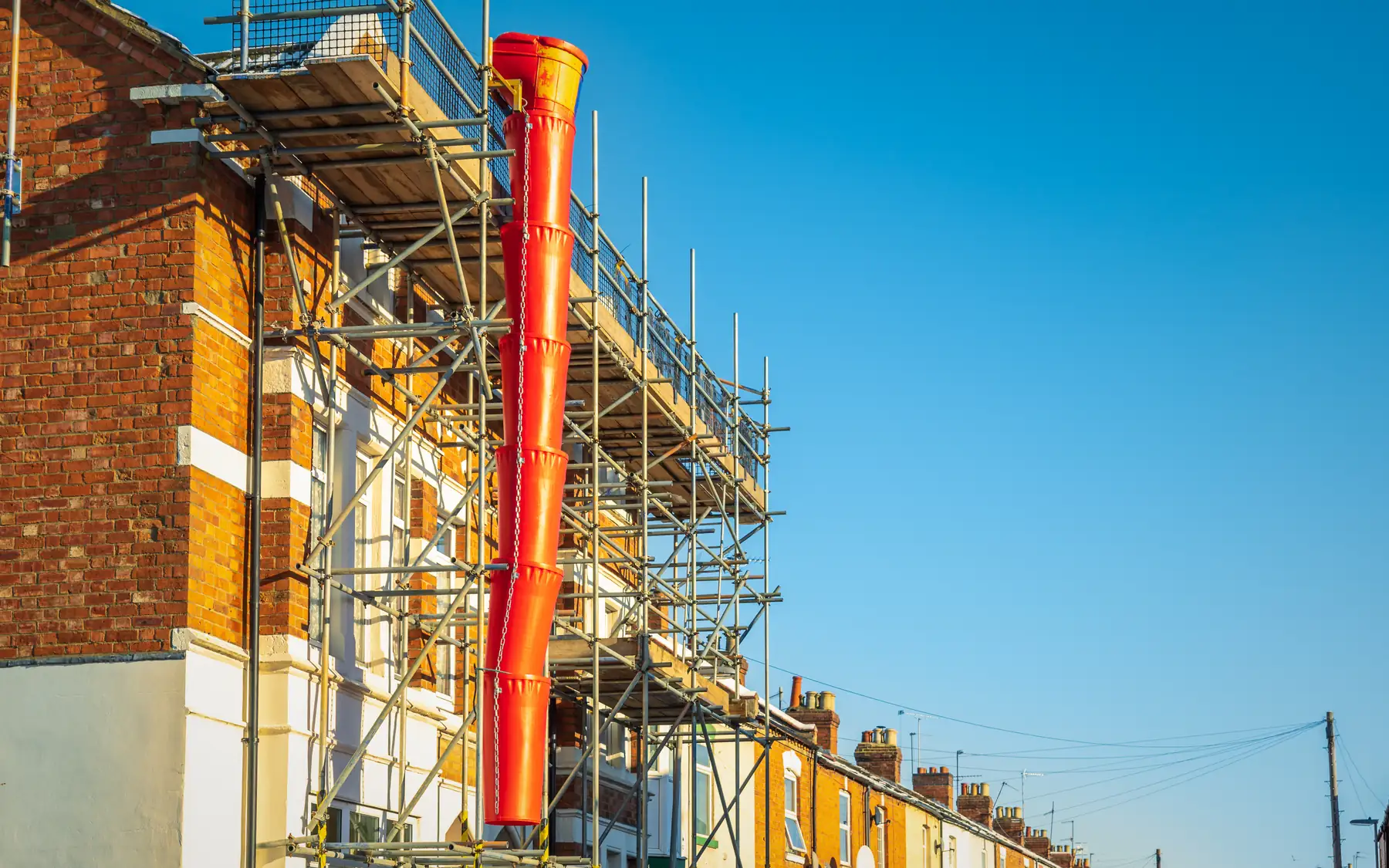
Before an area returns to use, the necessary testing, cleaning and reinstatement must be completed. Staff also need to know which neighbouring areas remain under construction. Depending on the hazards, suitable barriers, controlled access, dust protection and other site measures may be needed to separate building work from normal operations.
Phased construction in occupied premises
| Item | What it affects |
|---|---|
| Operation | People, goods, vehicles and critical activities |
| Phases | Areas released and dates available |
| Temporary work | Access, services, accommodation and storage |
| Changeovers | Connections, moves and return-to-use standards |
Extensions, refurbishment and construction planning
For construction in occupied commercial premises, speak to us about the building work.
Plan your project
Commercial Project Planner
Indicative commercial building costs
Common questions
Frequently asked questions
Can every project be completed without business interruption?
No. Some work can be separated from normal operations, but structural alterations, service connections and work in confined areas may require part of the building to close. The extent and duration of any interruption depend on the building and the activity taking place within it.
What helps most when planning work on an occupied site?
The existing layout and the way the premises are used are particularly important. Vehicle lanes, pedestrian access, fire exits, occupied rooms and essential plant can restrict where construction work takes place. These constraints affect the order of the work and the separation measures required.
Request a quote
Complete the form and we will get back to you.