

Industrial and commercial construction
Commercial Construction Tender
A commercial construction tender works when every contractor prices the same work on the same basis. Clear drawings, a defined specification and stated assumptions make the returned prices comparable.
Tender drawings and specifications
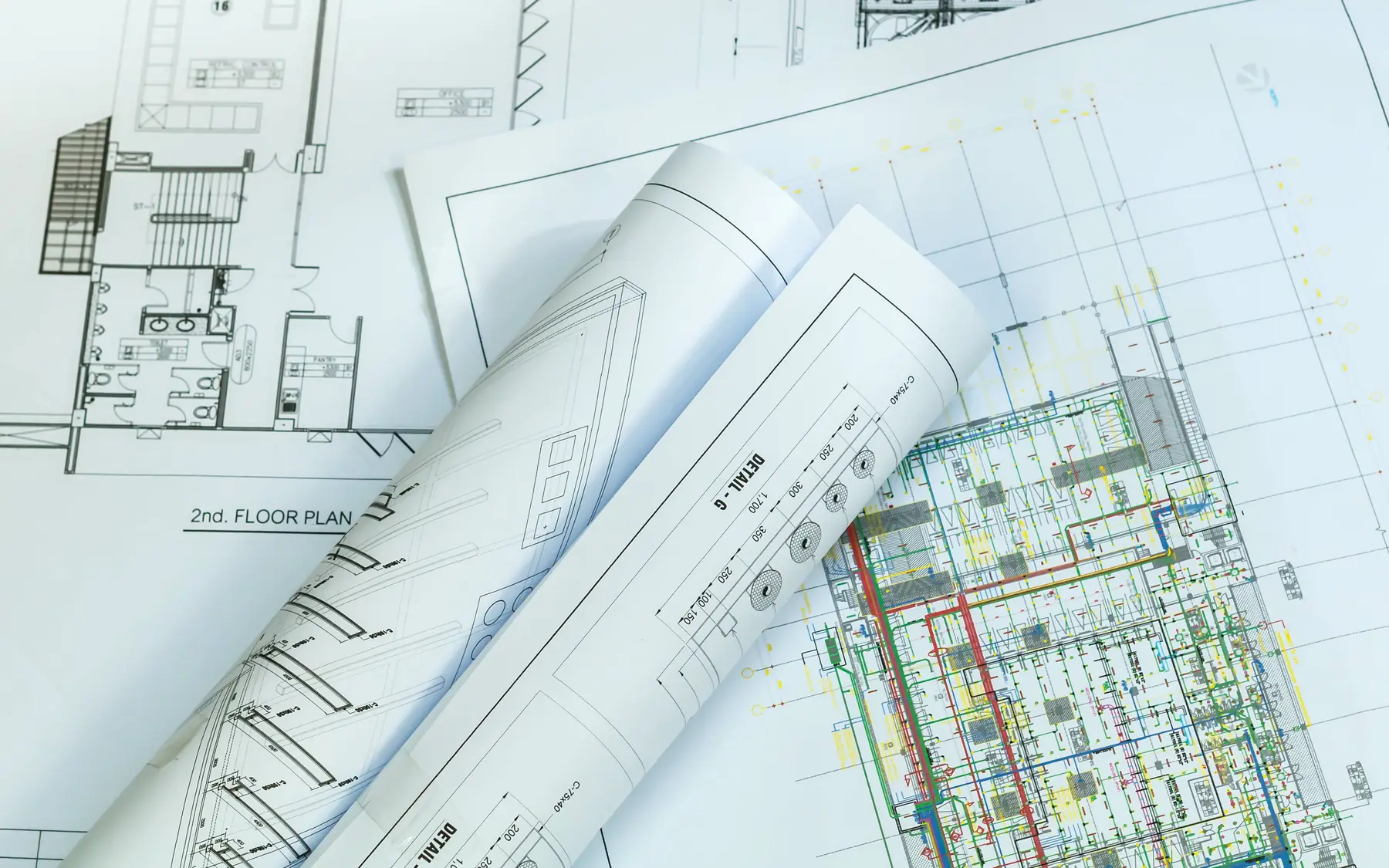
Contractors need the same drawings, specifications, schedules and site information if their prices are to be compared fairly. Drawing revisions must be controlled so that different contractors are not pricing different designs. Where information remains incomplete, provisional sums or common pricing assumptions can be used, provided the uncertainty is clear.
Design and construction responsibilities
A good tender sets out who carries design responsibility, which specialist installations are included, which items the client supplies and what sits under separate contracts. Temporary works, testing and handover belong in it too. A low headline price often means a contractor has simply priced a smaller package.
Comparing tenders like for like
Inclusions, exclusions, provisional sums, the proposed timetable and payment terms matter as much as the price. So does the way each contractor would handle design changes and additional work under the contract. We would rather a client understood every tender in detail before choosing a contractor, ours included.
Single-stage and two-stage tendering
In single-stage tendering, contractors submit prices against the tender information available at that stage. The contract is awarded using the client’s stated selection criteria, which may consider more than price. In two-stage tendering, a contractor is selected earlier, often through an initial competition for fees, preliminaries and other commercial terms. The design and construction price are then developed before the main works contract is agreed. This can help where early contractor input is valuable, although the client has less direct price competition during the second stage.

What a commercial construction tender covers
| Item | What it covers |
|---|---|
| Documents | Drawings, schedules, surveys and current versions |
| Responsibilities | Design, construction and separate suppliers |
| Commercial basis | Inclusions, exclusions and provisional sums |
| Timetable | Tender return date, site possession, construction period and completion requirements |
Design, budgeting and tender preparation
Preparing a commercial construction tender? Contact us about the project and your tender dates.
Plan your project
Commercial Project Planner
Indicative commercial building costs
Common questions
Frequently asked questions
Can you price a project before a formal tender pack exists?
An initial budget can be prepared from outline drawings and available site information. It will carry more uncertainty than a tender based on developed design information. A fixed contract price also depends on the contract terms, the work included and how changes are dealt with.
How do I compare different exclusions?
An excluded item needs to be costed separately before the tender totals can be compared. That may reveal that the lowest initial price leaves substantial work to be purchased elsewhere. Contract qualifications, risk allowances and differences in responsibility also matter, even where the adjusted totals are similar.
Request a quote
Complete the form and we will get back to you.