A warehouse extension is worth comparing with internal reconfiguration when the existing building cannot accommodate the required storage and movement together. The useful comparison is operational capacity, not simply the number of square metres that each option adds or rearranges.
Identify what is actually running out of space
Separate stored stock from goods waiting to be received, picked, packed or dispatched. A building may have adequate rack positions while its marshalling area becomes congested at busy times. Another may have clear aisles but insufficient storage for the required stock range.
Record where goods accumulate and when that happens. Include seasonal peaks and changes in the mix of products. A snapshot taken during a quiet period may not represent the conditions that prompted the expansion discussion.
Use those findings to establish whether poor storage utilisation, inadequate circulation space or a genuine shortage of floor area is the main constraint. For example, accommodating another stock range calls for a different change from clearing a congested dispatch area. The brief should distinguish what can be improved within the warehouse from capacity that requires additional space.
Test the existing layout against the operating requirements
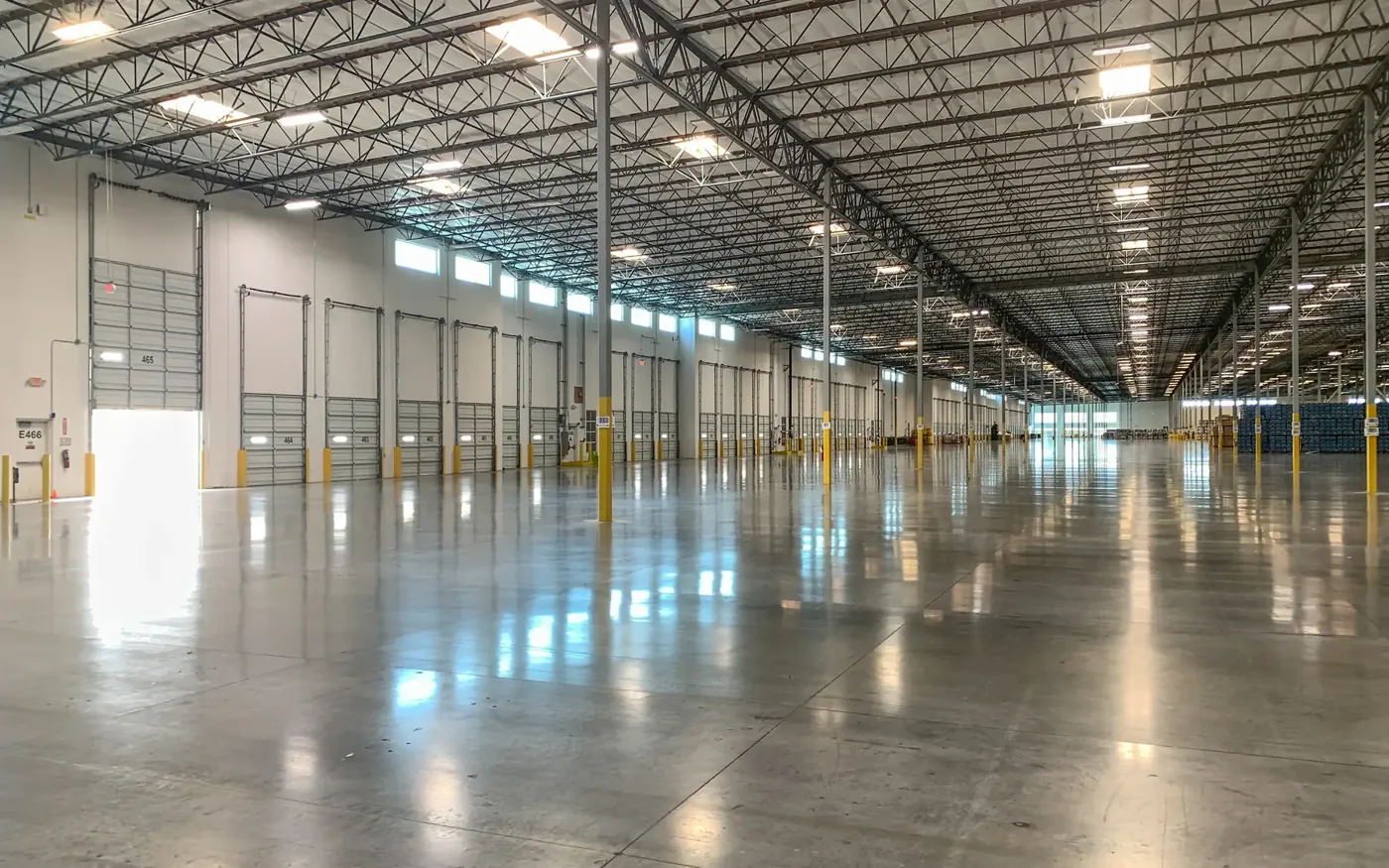
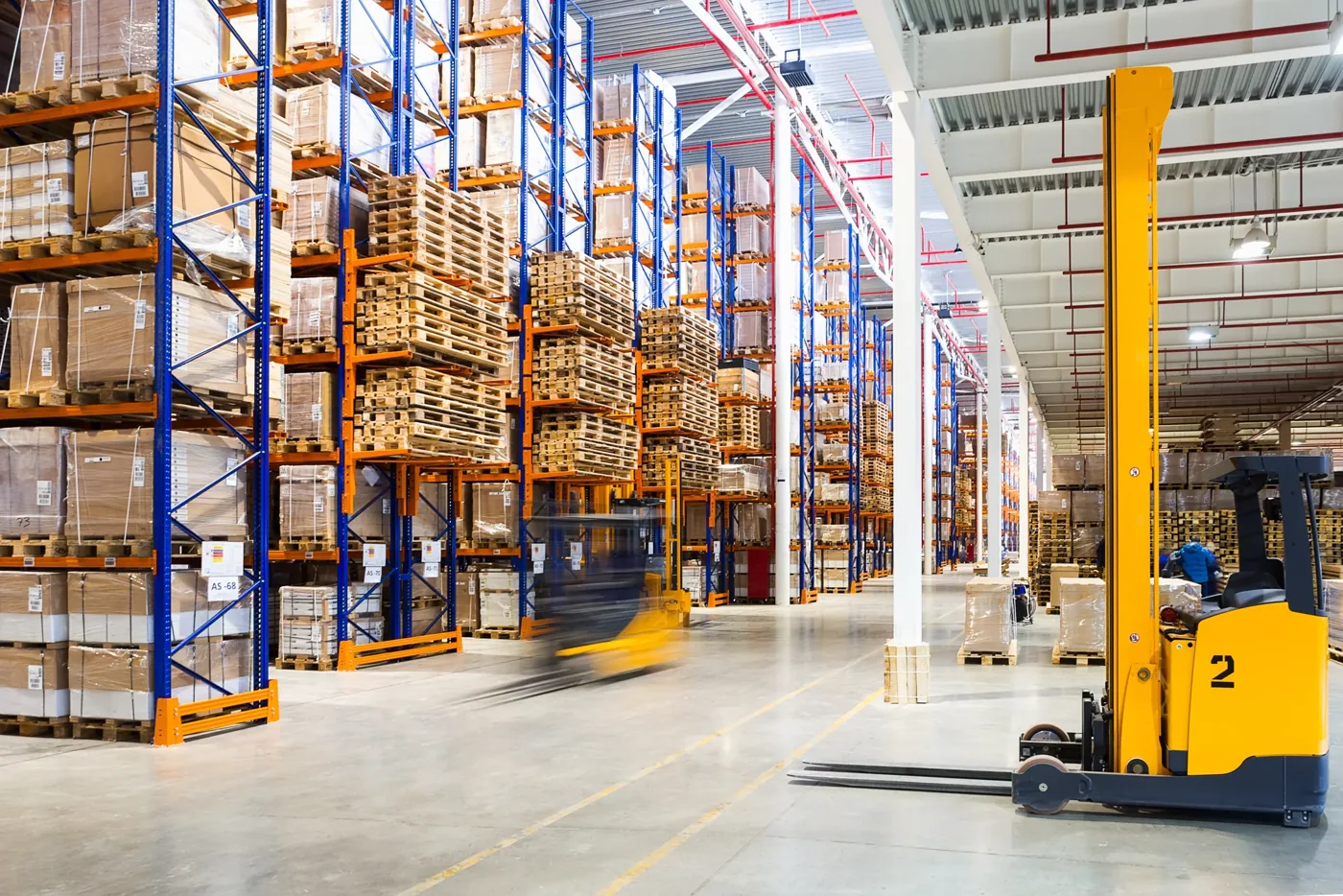
Reconfiguration can change the relationship between storage, preparation and circulation. Ask whether areas are serving their intended purpose or have gradually become temporary storage. Compare possible layouts using the actual handling equipment and goods dimensions.
HSE’s workplace transport guidance for Great Britain addresses suitable traffic lanes and walkways, obstructions and separation of people from vehicles. A layout comparison should retain the movement space needed for the operation rather than count every clear area as spare storage.
Using more building height is another option to assess before extending. Available clear height must be considered alongside the storage system, floor loading, handling equipment, fire protection and relevant building services. Increasing racking height or introducing another storage level is not feasible simply because space exists above the current racks. The proposed arrangement needs an appropriate structural and operational assessment.
Show what the extension would connect to
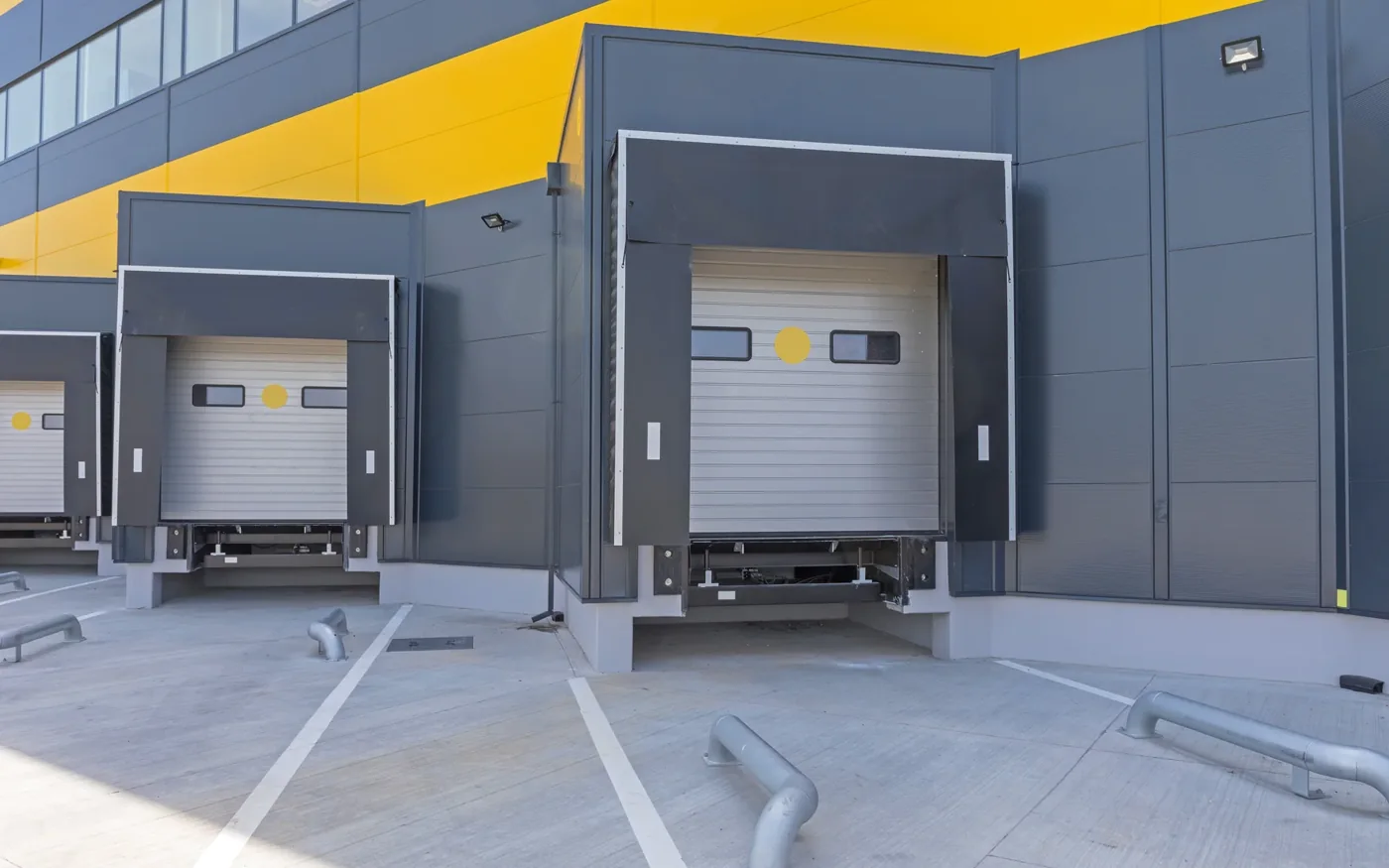
For warehouse extensions, explain how goods would move between the existing and new areas. Door positions, levels and connections can affect whether the added space supports the intended operation.
An extension intended for dispatch may need a different relationship to the existing warehouse from one intended for reserve stock. Draw the movement between activities on the proposed layout so that the connection is tested, not assumed.
Include any work required within the existing building. The comparison should account for those alterations as well as the new structure, together with the stages when current areas would be unavailable or used differently.
Compare each option on the same basis
Ask for an explanation of the operating arrangement each option supports, its assumptions and any unresolved design information. Cost comparisons become less useful when one option includes service alterations and another leaves them out.
- What stock and activity levels does the layout accommodate?
- Which movement or preparation constraint does it resolve?
- What assessments and building alterations are required?
- How would the change be introduced while the warehouse operates?
Reconfiguration is the stronger option where revised storage positions, picking areas or aisles can accommodate the required activity without compromising safe movement or the building’s assessed capacity. An extension becomes more compelling where the existing footprint cannot accommodate storage, handling and dispatch together, or where additional space needs a separate operational function. Compare the usable capacity, building alterations and disruption associated with both proposals before deciding. The preferred design may combine an extension with internal changes, but extra floor area is of limited benefit if the original movement constraint remains unresolved.